Insurance and Safety
 Our insurance and safety approach is designed to protect people, property, and operations at every stage of a project. Whether work is being carried out in a busy public space, a commercial setting, or a private environment, we place equal importance on prevention and preparedness. A robust safety culture is not built on one measure alone; it comes from combining public liability insurance, practical staff training, appropriate PPE, and a clear risk assessment process. Together, these elements help reduce disruption, limit exposure to incidents, and ensure duties are managed responsibly.
One of the foundations of our safety framework is public liability insurance. This cover is an important safeguard when work activities involve interaction with clients, visitors, the public, or third-party property. It provides reassurance that, should an unexpected incident occur, there is financial protection in place. In practice, this means our insurance and safety standards are aligned with the realities of working on-site, where conditions can change quickly and where even careful operations must be prepared for unforeseen events.
We also treat staff training as a critical part of our insurance and safety policy. Every team member is expected to understand the hazards associated with their role, how to follow safe working procedures, and how to respond if circumstances change. Training includes the correct handling of equipment, awareness of site-specific risks, emergency procedures, and the importance of reporting concerns immediately. Well-trained staff are far better equipped to prevent accidents and maintain consistent standards across all tasks.
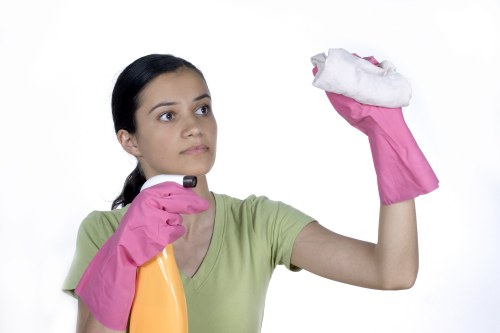 Our approach to staff training goes beyond basic induction. It is reinforced through ongoing refreshers, role-specific instruction, and supervision where needed. This helps ensure that safety remains a routine habit rather than a one-off briefing. As part of the wider insurance and safety strategy, training also supports compliance with relevant obligations by helping staff recognise when a task should be paused, escalated, or reassessed. In this way, the team contributes directly to reducing risk and maintaining a secure working environment.
Another key element is the use of appropriate PPE. Personal protective equipment is selected according to the nature of the work and the level of exposure involved. This may include high-visibility clothing, gloves, eye protection, hearing protection, protective footwear, or other specialist items. PPE is not a substitute for careful planning, but it is an essential final layer of protection. We ensure that protective equipment is worn correctly, kept in good condition, and replaced when required so that it continues to support our overall insurance and safety measures.
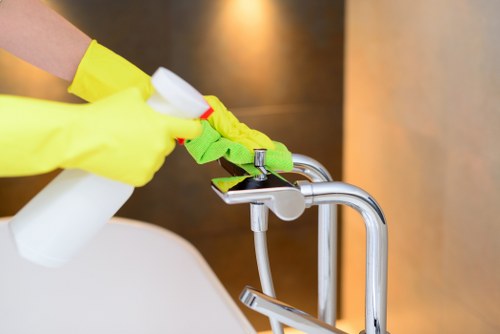 The risk assessment process is central to how we manage safety before any work begins. Each job is reviewed to identify possible hazards, evaluate who may be affected, and determine suitable control measures. This process considers the environment, the type of activity, the equipment involved, and any additional factors that could increase risk. By carrying out a structured risk assessment, we can make informed decisions and adapt the work plan to suit the conditions rather than relying on assumptions.
Risk assessments are not treated as paperwork alone; they are a practical tool that shapes how tasks are carried out on the day. If conditions change, the assessment is revisited and updated so that the controls remain relevant. This flexible approach is a vital part of our insurance and safety commitment because it helps prevent incidents before they happen. It also demonstrates that safety is being actively managed, which is especially important when work takes place in environments where people, vehicles, or valuables may be present.
We combine these measures with clear communication and supervision to create a reliable safety standard. Managers and team leaders monitor adherence to procedures, while staff are encouraged to speak up if they notice a hazard or feel a task may be unsafe. This shared responsibility strengthens our public liability insurance position by reducing avoidable risks and supporting a culture where safety is taken seriously. Through planning, vigilance, and accountability, we aim to keep every project well controlled and professionally managed.
 In addition to core procedures, our insurance and safety practices are reviewed regularly so they remain effective and up to date. Equipment checks, training records, PPE suitability, and risk assessment documentation are all monitored as part of routine oversight. This helps us maintain consistency and ensures that safety expectations are not only written down but properly applied. A well-managed system protects staff, supports clients, and helps deliver work in a dependable and responsible manner.
Ultimately, our insurance and safety page reflects a simple principle: protection works best when it is built into every part of the operation. Public liability insurance provides financial reassurance, staff training builds competence, PPE adds physical protection, and the risk assessment process keeps planning grounded in real conditions.  By combining these elements, we create a safer working environment and a more secure service for everyone involved. Safety is not treated as an afterthought; it is part of how we work from start to finish.