Stain Removal in Everyday Spaces: Smart Techniques for Cleaner Fabrics, Surfaces, and Peace of Mind
Stain removal is one of those household tasks that seems simple until a spill happens at the worst possible moment. Whether it is a coffee mark on a shirt, grease on a kitchen counter, or a wine splash on upholstery, effective stain removal can make the difference between saving an item and replacing it. The good news is that most stains can be treated successfully when you act quickly, choose the right method, and avoid common mistakes.
From everyday laundry mishaps to unexpected accidents on carpets, stain removal requires a mix of quick thinking and practical know-how. Different materials respond differently, and what works on cotton may damage silk, wood, or natural stone. That is why learning the basics of stain removal is so valuable for homeowners, renters, and anyone who wants to keep their space looking fresh.
In this article, we will explore stain removal strategies for clothing, upholstery, carpets, hard surfaces, and delicate materials. You will also find tips on stain prevention, product selection, and when to use DIY methods versus professional help. If you are looking for reliable stain removal advice that is useful, readable, and easy to apply, you are in the right place.
Understanding Stain Removal and Why It Matters

Successful stain removal begins with understanding what a stain actually is. Most stains are a combination of pigments, oils, proteins, tannins, dyes, or chemicals that bond with a surface. The longer they sit, the deeper they can penetrate into fibers or porous materials, making removal harder. Fast stain removal is usually the most effective approach because it reduces the time a substance has to settle.
Different stains require different treatments. For example, protein-based stains such as blood or egg often need cold water first, while oil-based stains may respond better to absorbent powders or grease-cutting agents. Meanwhile, dye-based stains like ink or wine can sometimes spread if treated with the wrong liquid. This is why matching the stain removal method to the stain type is essential.
It also helps to think about the surface itself. A stain on cotton clothing behaves differently than a stain on leather, carpet, tile, or painted wood. Some surfaces are absorbent and trap the stain quickly, while others allow you more time to wipe it away. Knowing this difference improves your chances of successful stain removal and helps protect the material from damage.
Essential Stain Removal Rules to Follow Every Time
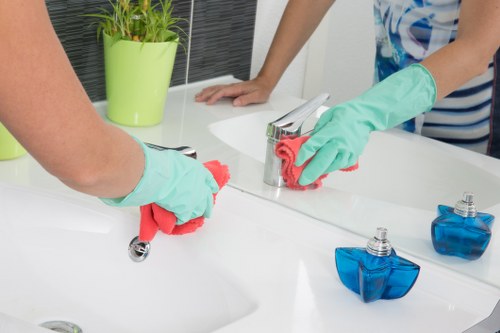
Before diving into specific stain removal methods, it is important to understand a few basic rules. These simple habits can prevent a small spill from becoming a permanent problem. The best stain removal routine starts with patience, the right products, and a gentle touch.
Do not rub aggressively. Rubbing can push the stain deeper into the fabric or spread it over a larger area. Blotting is usually safer than scrubbing. Use a clean cloth, paper towel, or sponge to lift the stain instead of grinding it in.
Test any product on a hidden area first. This applies to clothing, upholstery, carpets, and hard surfaces. A stain remover that works well on one material may cause discoloration, fading, or texture changes on another. A quick patch test can save time and money.
Other important stain removal rules include:
- Act as quickly as possible after the spill occurs.
- Work from the outside of the stain toward the center.
- Avoid hot water unless you know the stain can handle it.
- Never mix cleaning chemicals unless the label says it is safe.
- Repeat treatment gently if needed rather than overdoing it at once.
Common Household Stains and How to Treat Them
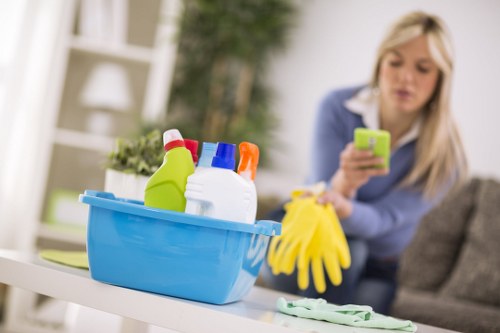
Some of the most frequent stain removal challenges come from items we use every day. Coffee, tea, sauce, makeup, grass, grease, and ink all behave differently. Learning the general behavior of these stains makes stain removal much easier and less stressful. With the right method, many common stains can be reduced or removed entirely.
Coffee and tea stains are tannin-based, which means they often respond well to cool water and mild detergent. Blot the area first, then rinse from the back of the fabric if possible. For older stains, a stain remover containing enzymes or oxygen-based ingredients may be helpful.
Grease and oil stains need absorbent treatment before washing. Sprinkle baking soda or cornstarch on the spot to draw out the oil, then brush it off and apply a grease-cutting liquid detergent. This approach works well on clothing, napkins, and some upholstery fabrics. Stain removal for grease is often more effective when done before the item is washed or heat-dried.
Other frequent stains worth knowing
- Ink: Use blotting and alcohol-based treatments carefully on colorfast materials.
- Wine: Blot immediately and use cold water or stain treatment before the stain sets.
- Grass: Pre-treat with detergent or enzyme cleaner for best results.
- Chocolate: Scrape residue first, then treat as a combination of oil and protein stain.
Stain Removal on Clothing and Laundry Fabrics
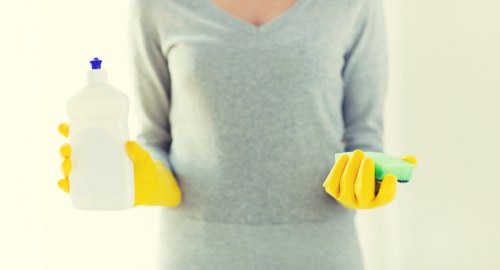
Clothing stain removal is one of the most common laundry concerns because fabric absorbs liquids quickly. The key is to identify the stain before washing and drying. Heat can make some stains permanent, especially protein, sugar, and dye-based stains. Once heat sets a stain, stain removal becomes much more difficult.
Start by checking the care label. Delicate fabrics like silk, wool, and rayon may require gentler treatment than cotton or polyester. If you are not sure, use a mild detergent and cold water first. For strong stains, pre-treatment is usually the best stain removal method. Apply the product directly, let it sit for the recommended time, and then wash as directed.
For particularly stubborn stains, consider the following laundry stain removal techniques:
- Blot excess material from the fabric without rubbing.
- Rinse with cold water if the stain type allows it.
- Apply a stain remover, liquid detergent, or soap solution.
- Gently work the product in using your fingers or a soft brush.
- Wash in the appropriate water temperature for the fabric.
- Air dry before using the dryer to ensure the stain is gone.
When dealing with laundry, patience pays off. A second treatment is often better than forcing the issue with harsh scrubbing. Good stain removal is about preserving fabric while lifting the unwanted mark.
Stain Removal for Carpets and Upholstery

Carpets and upholstery often require special stain removal care because they are thicker, absorbent, and sometimes difficult to rinse. Spills can sink below the surface, leaving behind both visible marks and odor. When treating these surfaces, the goal is to lift the stain without oversaturating the material.
Begin by blotting up as much of the spill as possible using a white cloth or paper towel. Avoid colored towels that may transfer dye. Use a small amount of cleaning solution and apply it carefully. Too much liquid can spread the stain or damage the padding underneath the carpet. For upholstery, follow the fabric code if one is available.
Effective stain removal on carpets often includes:
- Blotting, never scrubbing.
- Using minimal moisture.
- Working in small sections.
- Rinsing lightly and blotting dry.
- Allowing proper air circulation after treatment.
For upholstery, a fabric-safe cleaner is usually the best option. If the stain is on a cushion cover that can be removed, treat it separately according to the care instructions. Stain removal on soft furnishings may also benefit from a vacuum after drying to restore the pile and texture.
Hard Surface Stain Removal: Counters, Tile, and More
What works on non-porous and porous surfaces
Hard surfaces may seem easier to clean than fabric, but stain removal still requires attention to material type. Tile, laminate, stainless steel, glass, stone, and wood all respond differently to cleaners. A strong product can remove one stain while ruining another surface finish. For this reason, stain removal on hard surfaces should always begin with the mildest effective method.
On non-porous surfaces like glass, stainless steel, or sealed tile, most spills can be removed with a damp cloth and a gentle cleaner. For sticky residue or dried spots, a plastic scraper may help lift the stain without scratching. On porous materials like unsealed stone or wood, it is better to use minimal liquid and specialty cleaners. Stone and wood can absorb stains quickly, and aggressive scrubbing may damage the surface.
For stubborn marks, try this sequence:
- Wipe away loose dirt or residue first.
- Apply the mildest cleaning solution available.
- Let it sit briefly if needed.
- Wipe or blot without saturating the surface.
- Dry immediately to reduce the chance of new stains forming.
Special note for natural materials
Stone, marble, and wood often need pH-neutral products. Acidic cleaners can etch surfaces and make stain removal more difficult in the long term. Always check product labels and manufacturer recommendations before applying anything new.
Natural Stain Removal Methods That Can Help
When simple pantry ingredients are enough
Many people prefer natural stain removal methods because they are affordable, accessible, and often effective for everyday messes. Ingredients like baking soda, vinegar, lemon juice, salt, and dish soap can handle a surprising number of stains. Still, natural does not always mean safe for every material, so it is wise to use these options with care.
Baking soda is a common stain removal helper because it absorbs moisture and odors. It can be used on grease, food, and some carpet spills. White vinegar is useful for odor neutralization and some mineral-based residue, though it should never be used on surfaces that are sensitive to acid. Dish soap is often a reliable first-line treatment for oily stains because it breaks down grease effectively.
One of the strengths of natural stain removal is flexibility. You can create simple paste treatments for fabrics, gentle sprays for counters, or soak solutions for washable items. However, always rinse or wipe thoroughly after treatment so no residue remains. Leaving behind cleaning agents can attract dirt and create a new stain problem.
Natural stain removal examples
- Baking soda paste for mild fabric stains
- Dish soap and warm water for greasy marks
- Salt for fresh wine spills on some textiles
- Vinegar solution for certain hard-surface residues
When to Use Commercial Stain Removal Products
Sometimes homemade methods are not enough, especially for set-in stains or specialized materials. Commercial stain removal products are designed to target specific stain types, including protein, dye, oil, and tannin stains. Many laundry boosters and carpet stain removers contain enzymes or oxygen-based compounds that improve cleaning power while remaining fabric-friendly.
Choosing the right product matters. A strong stain remover can be highly effective, but only when used correctly. Read the instructions, follow the timing, and check fabric compatibility. If you are working on a delicate material, use a gentler formula and test it first. Good stain removal is as much about technique as it is about product strength.
Look for commercial stain removal products that offer:
- Clear usage instructions
- Compatibility with your fabric or surface
- Specific stain targeting
- Easy rinse or wash-out performance
- Warnings about delicate materials or colorfastness
If you have repeated stain problems in a busy household, keeping a stain treatment kit nearby can save time and reduce stress. The sooner you can treat the stain, the better your result is likely to be.
Stain Prevention Tips That Save Time Later
Simple habits that reduce cleaning stress
The easiest stain removal is the one you never need to do. Prevention can reduce wear, preserve fabrics, and keep surfaces looking cleaner for longer. Small habits make a big difference, especially in kitchens, dining areas, bathrooms, and homes with children or pets. A proactive approach can limit the need for repeated stain removal.
Practical prevention strategies include using placemats, coasters, and protective sprays where appropriate. In laundry, sorting fabrics before washing helps prevent dye transfer. In the kitchen, wiping spills quickly stops staining before it sets. On upholstered furniture, removable covers and regular vacuuming reduce buildup that can trap spills. These steps do not eliminate accidents, but they make stain removal easier when accidents happen.
Prevention is not about perfection. It is about lowering the chance of damage and making cleanup more manageable. If your routine includes a few protective habits, you will likely spend less time dealing with difficult stains later. That is an easy win for any home.
Common Stain Removal Mistakes to Avoid
Even well-intentioned cleaning efforts can backfire. Many difficult stain removal cases start with a small mistake that made the stain worse. Understanding what not to do can help preserve your fabrics and surfaces while improving your overall results.
One frequent mistake is applying heat too early. Heat can lock in stains, particularly on clothing. Another mistake is using too much product, which can leave residue or create a larger wet area. Scrubbing too hard is also a common issue because it can damage fibers and push stain particles deeper. If one method fails, it is usually better to pause and reassess than to keep adding stronger chemicals.
Here are some stain removal mistakes to avoid:
- Using hot water on an unknown stain.
- Drying stained clothing before treatment is complete.
- Mixing cleaners without checking safety instructions.
- Ignoring the care label on garments or furniture.
- Rubbing in circles and spreading the stain.
Careful stain removal protects your belongings and gives you a much better chance of success. A thoughtful approach beats a rushed one every time.
Knowing When Professional Help Is the Best Choice
Not every stain can or should be handled at home. Some materials are too delicate, some stains are too old, and some situations require specialized equipment. If your stain removal attempts are not working or you are worried about damage, professional cleaning may be the smarter choice. This is especially true for expensive upholstery, fine rugs, tailored garments, or natural stone surfaces.
Professional cleaners have tools and treatments that go beyond typical household products. They can assess the material, identify the stain type, and select a method that balances effectiveness with safety. For stubborn odors, deeply embedded stains, or large affected areas, this expertise can make a noticeable difference. In many cases, professional stain removal also helps extend the life of the item.
When should you call in help?
- When the stain is on a valuable or delicate item
- When the stain has already set deeply
- When DIY stain removal has failed multiple times
- When the item has special care instructions
- When the stain is large, old, or odor-heavy
If you are unsure, it is often better to stop before causing damage. Contact us today or book your service now if you need support that goes beyond routine stain removal.
Building a Simple Stain Removal Routine for the Long Term
The best stain removal results come from consistent habits, quick responses, and the right tools. You do not need a huge collection of products to stay prepared. A small, organized stain treatment kit can go a long way. Include clean white cloths, a mild detergent, a soft brush, baking soda, and a fabric-safe stain remover. Store everything in one easy-to-reach place so you can act fast when accidents happen.
It also helps to think in terms of routine care. Regular vacuuming, prompt spill cleanup, and proper laundry sorting all support better stain removal outcomes. The more you prevent buildup, the easier it becomes to deal with new stains. Over time, these habits save money, reduce frustration, and help maintain a cleaner home environment.
For many households, stain removal becomes much less stressful once a routine is in place. Instead of reacting with panic, you will know exactly what to do. That confidence matters, especially when stains appear on favorite clothing, furniture, or high-use areas. If you want results that are reliable and long-lasting, stay consistent and keep your stain removal approach simple, practical, and informed.
Quick stain removal checklist
- Identify the stain type.
- Check the material or care label.
- Blot excess spill immediately.
- Choose the safest treatment first.
- Test before using stronger products.
- Repeat gently if needed.
- Dry or air out the item properly.
Final thought: Stain removal does not have to feel overwhelming. With the right methods, a little patience, and a good understanding of different materials, you can handle most spills with confidence. Whether you are treating laundry, furniture, or hard surfaces, smart stain removal protects your belongings and keeps your home looking its best. If a stain is giving you trouble, do not wait—book your service now and take the next step toward a cleaner space.