Mattress Cleaning in Your Home: A Practical Approach to a Fresher, Healthier Sleep Space
Mattress cleaning in your home is one of the most overlooked parts of household care, yet it has a major impact on sleep quality, indoor hygiene, and overall comfort. While most people wash sheets and pillowcases regularly, the mattress underneath often gets forgotten. Over time, it can collect dust, sweat, dead skin cells, allergens, and odors that quietly affect the way your bedroom feels. A clean mattress is not just about appearance; it supports a healthier sleeping environment and can even help extend the life of your bed.
For many households, mattress cleaning is also a smart maintenance habit. Whether you are dealing with everyday buildup, visible stains, seasonal allergies, or the need for odor removal, understanding the right cleaning methods matters. With proper care, you can reduce contaminants, preserve mattress materials, and enjoy a fresher bed night after night. Mattress cleaning is not complicated, but it does require the right approach based on your mattress type and the condition it is in.
In this article, we will explore why mattress cleaning matters, how often to do it, what methods work best, and when professional mattress cleaning may be the better choice. You will also find practical tips for stain treatment, odor control, allergen reduction, and long-term mattress maintenance. If you want a cleaner sleeping surface and a healthier bedroom, this information will help you take the next step. Book your service now if your mattress needs deeper attention than household cleaning can provide.
Why Mattress Cleaning Matters More Than Most People Realize

A mattress may look clean on the surface, but beneath the sheets it can hold a surprising amount of debris. Each night, the body sheds skin cells, releases moisture, and transfers oils into the fabric. Dust mites feed on these particles, and their waste can become a trigger for allergies and asthma symptoms. This is one reason mattress cleaning is so important for bedrooms, especially in homes with children, pets, or anyone sensitive to dust and allergens.
Another issue is odor buildup. Even a well-kept mattress can absorb sweat, humidity, and general room odors over time. Without regular mattress cleaning, that subtle smell can become stronger and harder to remove. When a mattress begins to smell stale, it can make the whole room feel less fresh. Keeping the bed clean improves the atmosphere of the room and contributes to a more restful sleep experience.
There is also the matter of longevity. Mattresses are an investment, and proper care helps protect that investment. Routine mattress cleaning can help prevent deep staining, fabric deterioration, and premature wear. By removing dirt and moisture before they sink in, you reduce the chance of damage to foam, springs, or upholstery layers. In other words, cleaning a mattress is a practical habit that pays off over time.
How Often Should Mattress Cleaning Be Done?

The right schedule for mattress cleaning depends on how the bed is used and what conditions exist in the home. As a general rule, a light surface clean and vacuuming should happen every one to three months. This helps remove dust, hair, crumbs, and other debris before they settle deeper into the mattress. If you live in a humid area or have pets that sleep on the bed, more frequent mattress cleaning may be helpful.
Stain treatment should happen immediately whenever spills occur. The longer a stain sits, the more difficult it becomes to remove. The same is true for odors caused by sweat, urine, or spills. Quick action can make a big difference in mattress cleaning results and can help prevent lasting discoloration. If the mattress has been neglected for a long time, a deeper clean may be necessary to restore freshness.
Professional mattress cleaning is often recommended once or twice a year, especially for allergy-prone households or heavily used beds. Seasonal deep cleaning can target allergens, embedded dust, and odor buildup that normal maintenance cannot fully address. Mattress cleaning services are especially useful when you want a thorough refresh without the guesswork of doing it yourself. Regular care is easier than rescue cleaning, and that simple idea can save time, effort, and money.
Common Problems Mattress Cleaning Can Solve
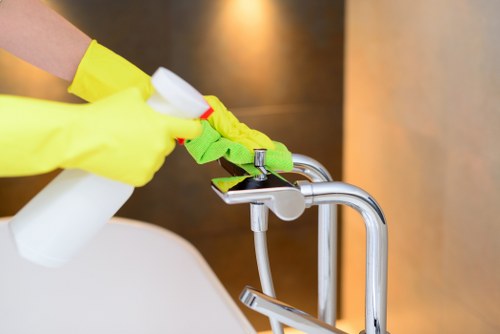
Many people seek mattress cleaning because of stains, but there are several other problems that can be improved with the right treatment. Sweat marks are among the most common concerns, especially in warm climates or during summer months. These marks can darken fabric and contribute to a musty smell if not addressed. Mattress cleaning can also remove makeup, food, beverage spills, and pet-related messes.
Dust mites and allergens are another major reason for mattress cleaning. While no cleaning method can make a mattress completely allergen-free forever, a good clean greatly reduces buildup. Vacuuming with a suitable attachment, using safe cleaning agents, and controlling humidity all help lower allergen levels. This is particularly important for people with allergies, as a cleaner mattress can support better breathing and more comfortable sleep.
Odor removal is also a major benefit. Over time, mattresses can develop smells from sweat, pets, moisture, and everyday use. The goal of mattress cleaning is not just to mask these odors but to remove the source. Deep mattress cleaning can help neutralize lingering smells and restore a clean, inviting feel to the bed. For many households, that fresh-bed feeling makes a noticeable difference in bedtime comfort.
Understanding Different Mattress Types Before Cleaning
Before starting mattress cleaning, it is important to know what kind of mattress you have. Memory foam, latex, hybrid, and innerspring mattresses all respond differently to moisture and cleaning products. Memory foam, for example, is sensitive to excess water and can take longer to dry. Latex is more resilient, but still benefits from gentle methods. Traditional innerspring mattresses may tolerate surface cleaning more easily, though the upholstery still requires care.
Reading the manufacturer’s care label is a smart first step. Some mattresses come with specific instructions that limit the use of certain products or methods. Following those directions helps avoid damage and protects your warranty when applicable. If the label says to avoid soaking or steam, it is best to respect those guidelines during mattress cleaning. When in doubt, use low-moisture techniques and mild cleaners.
Knowing the mattress material also helps you choose the right tools. A soft brush, a vacuum with upholstery attachments, microfiber cloths, baking soda, and an appropriate enzyme cleaner may all be useful depending on the problem. Matching the method to the material is one of the simplest ways to get better mattress cleaning results without harming the surface.
Step-by-Step Mattress Cleaning Process for Better Results
Effective mattress cleaning begins with preparation. Strip the bed completely and wash all bedding in hot water if the fabric allows it. This removes dust and bacteria from sheets, pillowcases, and protectors so you are not putting dirt back onto a freshly cleaned mattress. If possible, open the windows or improve ventilation to help with drying later.
Next, vacuum the entire mattress slowly and carefully. Use the upholstery attachment to reach seams, edges, and tufted areas where dust and debris collect. This step is essential because vacuuming removes loose particles before any liquid treatment is applied. Vacuuming during mattress cleaning can also help reduce allergens and improve the effectiveness of later steps.
After vacuuming, treat visible spots with the right cleaner. For general stains, a small amount of mild detergent mixed with water can work well. For protein-based stains such as sweat, urine, or bodily fluids, an enzyme cleaner is often more effective. Apply the solution lightly, blot gently, and avoid rubbing, which can spread the stain deeper into the fibers. Patience is key during mattress cleaning because aggressive scrubbing often causes more harm than good.
Drying Is Just as Important as Cleaning
One of the biggest mistakes people make during mattress cleaning is using too much moisture. A mattress that stays damp for too long may develop mold, mildew, or a musty smell. That is why drying must be handled carefully. After spot cleaning or treatment, use dry towels to absorb excess moisture as much as possible. Then allow the mattress to air-dry fully before putting bedding back on.
Fans, open windows, and dehumidifiers can speed up the process. If the weather is humid, drying may take longer, and additional airflow becomes even more important. Some people use sunlight for freshening, but direct exposure should be controlled since too much heat can damage certain materials. The main goal is to complete mattress cleaning without leaving hidden dampness behind.
Never rush the drying stage by making the bed too soon. Even if the surface feels dry, the inner layers may still hold moisture. Giving the mattress enough time to dry protects it from odor and structural problems. Proper drying is a crucial part of mattress cleaning because it ensures your efforts lead to a truly cleaner bed, not a hidden moisture issue.
Natural Mattress Cleaning Methods That Work
Many homeowners prefer natural approaches for mattress cleaning because they are simple, affordable, and easy to find in the home. Baking soda is one of the most popular options. It can help absorb moisture and neutralize odors when sprinkled lightly over the mattress and left to sit for several hours before vacuuming. This method is especially useful for routine mattress cleaning between deeper treatments.
White vinegar is another common household item used in mattress cleaning. It can help with certain stains and odors when diluted properly. However, it should be used carefully and never soaked into the mattress. A light mist or blotting method is usually safer than heavy application. Vinegar’s strong smell fades as it dries, leaving behind a fresher surface when used correctly.
Essential oils are sometimes added for scent, but they should be used sparingly and with caution. Some oils can irritate sensitive skin or stain fabric if overused. The best natural mattress cleaning methods are usually those that focus on odor absorption, gentle stain lifting, and good airflow. Simple solutions often work better than complicated mixtures.
When Professional Mattress Cleaning Makes Sense

There are times when DIY mattress cleaning is not enough. Large stains, persistent odors, allergy concerns, and long-term buildup may require professional equipment and expertise. Professional mattress cleaning often involves deeper extraction, specialized treatments, and faster drying methods. This can be especially valuable for families who want a more thorough refresh without risking damage to the mattress.
Professional services are also useful when a mattress has not been cleaned in years or has suffered a major spill. In those situations, household products may only provide partial improvement. A trained technician can assess the fabric, choose appropriate products, and handle stubborn issues more efficiently. Mattress cleaning professionals often use methods designed to lift embedded dirt, reduce allergens, and improve hygiene in a way that is difficult to match at home.
If you are dealing with recurring odors, respiratory sensitivity, or a mattress that simply feels tired and overused, professional help may be the most effective choice. It can also save time and reduce stress. Contact us today if you want a cleaner, fresher mattress without the trial-and-error of doing everything yourself.
Best Practices for Keeping Your Mattress Cleaner Longer
Good habits can make mattress cleaning much easier over time. One of the simplest and most effective steps is using a quality mattress protector. A waterproof or stain-resistant protector acts as a barrier against spills, sweat, and dust. It does not replace mattress cleaning, but it reduces how often deep treatment is needed. Protectors are especially helpful in guest rooms, children’s rooms, and homes with pets.
Regularly rotating or flipping the mattress, if the design allows it, can also help distribute wear more evenly. This prevents certain areas from becoming compressed or stained more than others. Rotating the mattress does not clean it by itself, but it supports maintenance and can make future mattress cleaning easier. Combining rotation with routine vacuuming and bedding changes creates a strong care routine.
Humidity control matters too. A damp room can encourage odors and mildew, making mattress cleaning more difficult in the long run. Using ventilation, air conditioning, or a dehumidifier can protect the bed and the rest of the bedroom. Keeping food and drinks away from the bed is another simple way to reduce stains and odors. Small daily habits often have the biggest impact on mattress cleanliness.
Helpful Maintenance Checklist
- Vacuum the mattress regularly.
- Wash bedding weekly if possible.
- Use a mattress protector.
- Treat spills immediately.
- Allow the mattress to dry fully after cleaning.
- Rotate the mattress when appropriate.
- Schedule periodic professional mattress cleaning.
Mattress Cleaning for Allergy Relief and Better Sleep
For allergy sufferers, mattress cleaning can make a noticeable difference in bedroom comfort. Dust mites, pet dander, pollen, and general dust can collect in fabrics and seams, where they remain until removed. Even if a mattress looks clean, allergens may still be present. Routine cleaning helps reduce exposure and can support a more comfortable night’s rest.
Pairing mattress cleaning with other bedroom hygiene steps can improve results further. Wash pillows and pillow protectors regularly, launder blankets and comforters, and vacuum the bedroom floor and baseboards. Air purifiers may also help reduce airborne particles. The cleaner the room, the less buildup ends up in the mattress, and that means less frequent deep cleaning will be needed.
Sleep quality is closely connected to comfort and cleanliness. A fresh mattress feels more inviting and can help create a relaxing bedtime routine. While mattress cleaning may not solve every sleep issue, it removes one common source of discomfort. For many households, that alone is worth the effort.
Common Mistakes to Avoid During Mattress Cleaning
Even well-intentioned cleaning can go wrong if the wrong methods are used. One common mistake is applying too much water. Mattresses are not designed to be soaked, and excess moisture can lead to mold or long drying times. Another mistake is using harsh chemicals without testing them first. Strong cleaners may discolor fabric or damage foam layers.
Scrubbing aggressively is also a problem. When you rub stains too hard, you may push them deeper into the mattress instead of removing them. Blotting is usually the safer choice. It is also important not to cover up stains or odors with heavy fragrance sprays. Those products may temporarily mask the issue, but they do not replace proper mattress cleaning.
Finally, some people forget the importance of patience. Mattress cleaning works best when each step is given enough time. Clean, blot, dry, and inspect before repeating if necessary. A careful, steady process usually delivers better long-term results than a rushed one.
Making Mattress Cleaning Part of a Healthy Home Routine
Mattress cleaning is not just a one-time chore; it is part of a healthier home routine. When combined with regular bedding care, dust control, and good ventilation, it helps create a cleaner sleep environment. That matters because the bedroom is where the body spends many hours each day recovering and resting. A fresh mattress supports that restorative process.
Homeowners and renters alike can benefit from setting a simple schedule. Light maintenance every few months, immediate stain response, and occasional professional mattress cleaning can prevent bigger problems later. This approach also keeps the mattress more pleasant to use and can help preserve comfort for years. Deep mattress cleaning is often the difference between a bed that simply looks fine and one that truly feels fresh.
If your mattress has started to hold odors, show stains, or trigger allergy symptoms, now is the right time to act. Start with the basics, follow safe methods, and do not hesitate to seek expert help when needed. Book your service now if you want a cleaner mattress and a more comfortable sleeping space. The sooner you address buildup, the easier it is to restore freshness and maintain it.
Final Thoughts on Mattress Cleaning
Mattress cleaning in your home is a practical, worthwhile habit that supports hygiene, comfort, and sleep quality. It helps remove dust, allergens, odors, and stains while protecting the life of your mattress. Whether you choose a DIY method for routine care or professional support for deeper issues, consistent attention makes all the difference. A cleaner mattress leads to a cleaner bedroom, and a cleaner bedroom often leads to better rest.
Small effort, lasting comfort
Mattress cleaning does not need to feel overwhelming. With the right schedule, the right methods, and the right mindset, you can keep your bed fresher for longer. If you are ready to improve your sleeping environment, start today and make mattress cleaning a regular part of home care. Your future sleep self will thank you.